RFS may be interested to learn that the National Museum of Ireland’s full collection of ‘Sligo’ chair or ‘Tuam’ chairs is on display for the first time. An online symposium has been organised at 2:30 p.m. on Saturday 19th February 2022. Participants include Claudia Kinmonth, Laura Mays, Stephen Jackson and David Jones.
More information about the symposium may be found here. More information about the exhibition (including a short video) may be found here. RFS members who wish to register free for the symposium must book via Eventbrite.
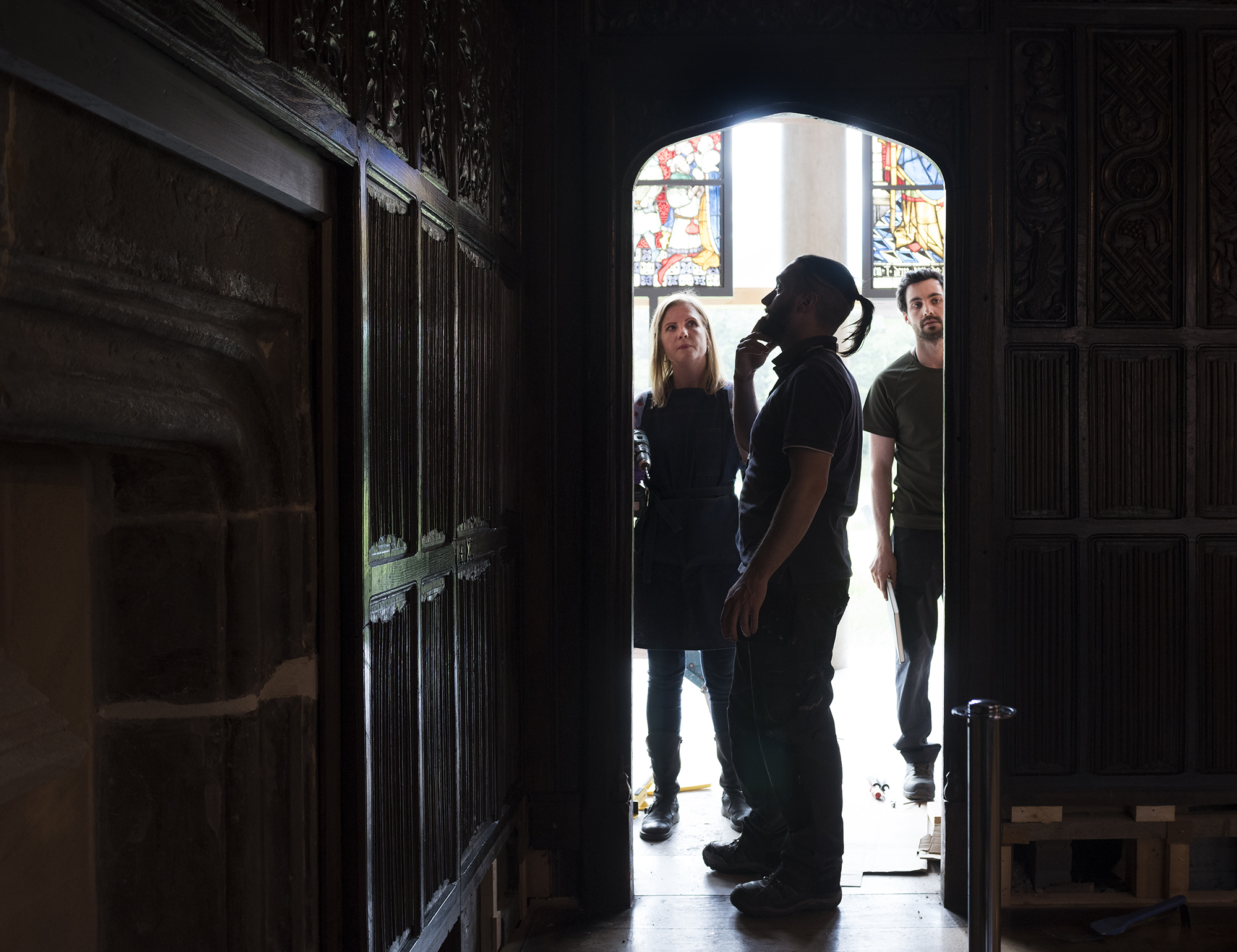
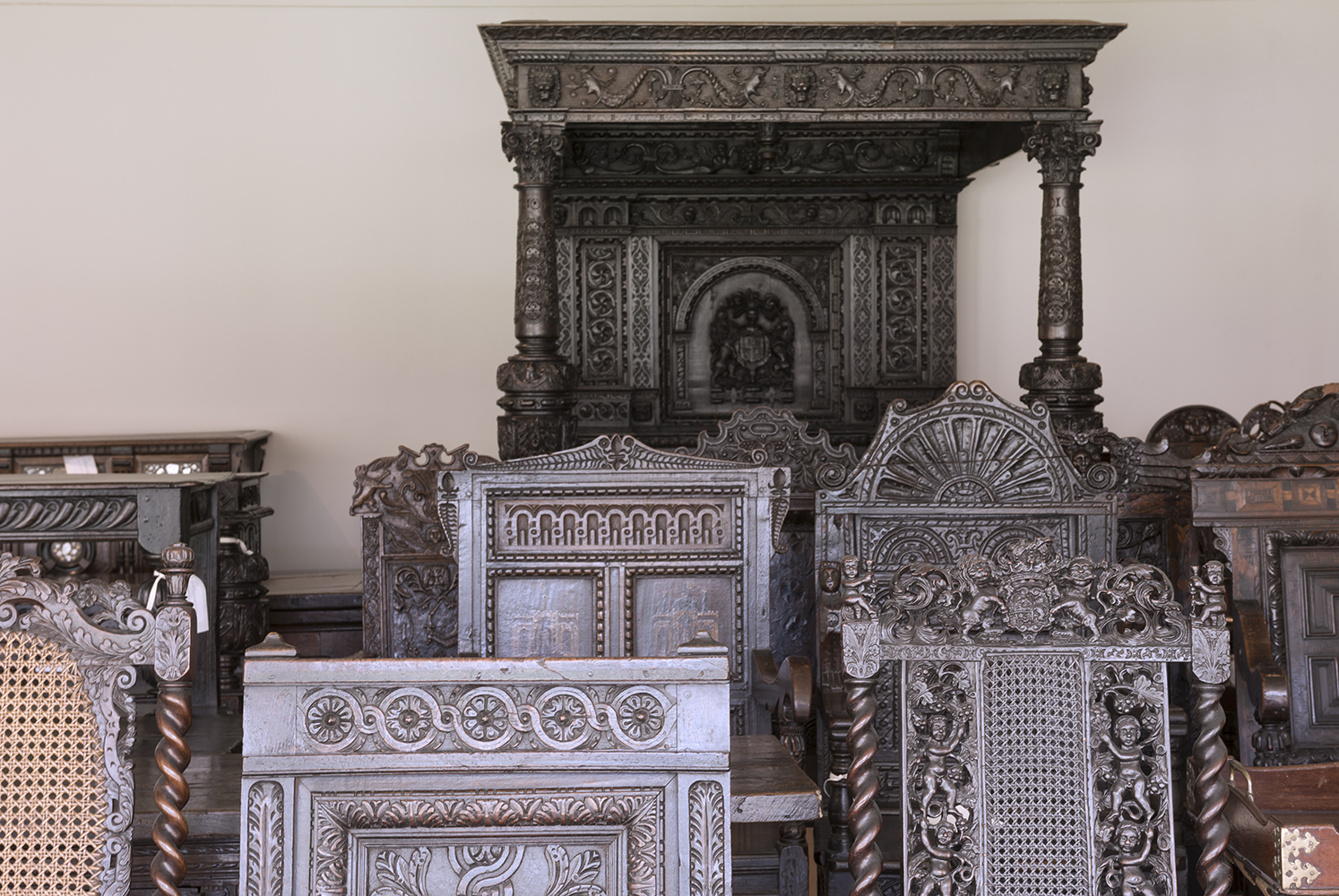
We are delighted to invite RFS members to a unique preview of the newly refurbished Burrell Collection, Glasgow, due to reopen this March having been closed for many years. The re-ordered museum will create a much-improved display and interpretation of the collection of over 500 furniture items donated in 1944 by Glaswegian shipping magnate and collector Sir William Burrell and his wife Constance. The collection includes English, Welsh, Scottish and continental pieces. Laura, Ed and Lindsay’s talk will offer a behind-the-scenes exploration of the Burrell by curators and conservators, revealing the new methods of interpretation developed for the displays of furniture within the galleries.
This event is for RFS members. To receive the link to the Zoom meeting, please apply to events.rfs@gmail.com by 16:00 Sunday 6th February. This event will not be available on YouTube for future viewing.
Please note that we are now fully subscribed for the Ercol factory visit but are able to offer places to those wishing to join us for lunch and at the Wycombe Chair Museum and an afternoon devoted to their collection. The fee is the same (£20) since Ercol are kindly not charging us.
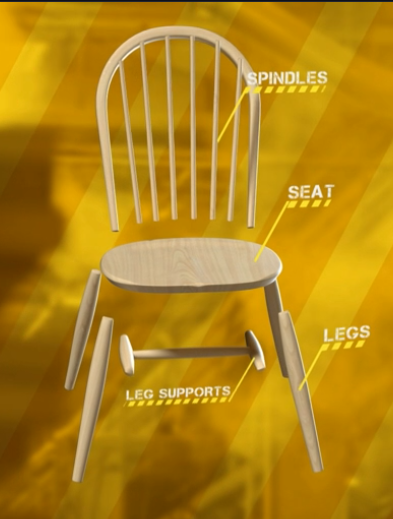
Members may wish to know that a tour of the Ercol factory, in Princes Risborough, organised by Jeremy Bate, will be advertised in the forthcoming RFS Newsletter. The factory also features in the BBC’s ‘Inside the Factory’ on BBC2 tomorrow evening, Saturday 15 January 2022 at 6 p.m. So if you want a sneak preview, it’s available via the BBC iPlayer here.
Hans Piena, Conservator/Curator, Nederlands Openluchtmuseum (Holland Open Air Museum) 0:00 Introduction to the diary of Eimert Papenborg re-discovered 1969 and then 2013 1:13 Historical context – Beethoven; The Beagle; aftermath of Napoleon; England a world power 1:58 213 pages sometimes 3 times overwritten and parts in secret code and faded 2:29 8 years of research and deciphering leading to publication in 10 chapters ISBN:978-90-823607-5-2 3:19 Achterhoek region 3:44 local map of farm site near Zieuwent 4:29 Louis Apol c. 1880 Country Road 5:07 yearly floods; Drinking Cows Willem Roelofs 1884 5:39 Jan Holtrup c. 1940 Winter afternoon in the Achterhoek – low walled huts with rye straw roof 6:02 Oldest picture of the farm 6:22 Louis Apol Looking for wood 1873-75 in Winter 6:42 Papenborg’s oldest son and family – Catholic village in Protestant country – distinctive gold crosses worn by the women 7:33 pig meat and fat eaten never beef: cows were for butter 7:56 Herman Johannes van Der Weele 1852-1930 Ploughing with ox – oxen were the tractors 8:10 main crops potatoes and rye 8:31 8 old apple varieties 8:54 Papenborg fell in love with youngest daughter of richest local farmer 1851-52 – took nearly 9 years to get permission to marry 9:55 Albert Neuhuys 1844-1914 Changing diapers – interior of family house kettle over fire 10:28 Bernhardt Winter 1905-06 women flax processing, ladder back chairs 10:51 linen cabinet – linen was most valuable item in Papenborg’s inventory 11:46 H J ten Noever Bakker 1899 Pedlar with wicker back basket selling chickens and tobacco to woman who had the money 12:22 Otto van Tussenbroek 1905 Churning butter – thrice monthly market 5-8kg butter 18 km away – profitable for cash 13:16 House interior Hendrikus Johannes Melis 1860-1923 – 3 legged table, jointed stool, cradle, books, paintings, Bible 14:06 kettle wrongly restored, hand-blown glass bottle, clock c 1860, fire tongs, stoneware jug for lamp oil 15:06 isolated, no doctors nearby, recipes in diary for medicinal herbs, no fertilisers more diversity 15:57 Anton Mauve 1838-88 Chopping wood – wood for fire, utensils, furniture, carts, barns, houses – pit saw for boards 16:30 van Der Weele 1852-1930 Oxcart with wood 17:00 crops not enough to make ends meet – charcoal production 17:34 September 1848-67 charcoal burning – alder, birch, ash, poplar, oak – tree planting to re-grow 18:58 sold to foundry, 40 km away north 8 hours each way trip Foundry 1900 Herman Heijenbrock, chalk pastels on black paper 20:38 cradle from basketmaker 21:09 Dutch willow cradle 21:28 Tilt top 3 legged round table 1851 22:08 stone cobbled floor on parents’ farm 22:23 3 legged chair ex John Boram collection 3 legs for stability Papenborg adopted tiled floor in own house and 4 legged ladder back chairs 23:15 1853 oak bureau ordered, stained and coloured like mahogany retrieved from under tons of straw and thoroughly cleaned which unfortunately removed the finish and it was then waxed 25:29 1786 oak trunk descended from Eimert Papenborg’s parents 26:06 Hendrikus Papenborg, master carpenter & cabinet maker of Zieuwent 1863-1925 27:16 Floor plan with cabinet workshop amongst ox and pig stalls 28:17 Family descended cabinet on chest made by Hendrikus Papenborg with dove and serpent tableau. Panels replaced by glass and scraped but no longer authentic finish. 29:45 but Louis XVI brasses in the workshop 30:04 cabinet details showing paint remains in rebates and 3 dowels 31:01 Another cabinet by Hendrikus Papenborg, completely original, inscribed in pencil ‘Dit kambinet gemaakt in het jaar 1892 Zieuwent den 19 maart feestdag van de H. Joseph H Papenborg Timmerman te Zieuwent’ This cabinet was made in the year 1892 on 19 March, the feast day of St Joseph H. Papenborg, carpenter in Zieuwent. Rosewood imitation, with gold and silver carving suggesting brasses, mimicking Dutch 18th century cabinet e.g. 1750 Amsterdam and 140 years later Papenborg was imitating it. Anything to escape the rustic look! 33:50 onwards: questions and answers
Following his recent well-received on-line talk to the RFS: Witwerk – The History of Dutch Painted Furniture, Hans Piena, curator of the Open Air Museum at Arnhem (Nederlands Openluchtmuseum) will talk via Zoom about the diary he discovered some years ago in a safe on a farm, which he has just successfully published in Holland. It is the story of a lonely boy of two poor Dutch charcoal makers living in the middle of nowhere. He falls in love with the only daughter of the richest farmer in the village and after many years of courtship marries her and slowly climbs the ladder of society to become a council member and church minister. The diary, which took many specialists eight years to decipher, records not only every day’s purchases including the furniture he ordered, but also gives a good picture of his business contacts and even his coded musings on his love life. Finally we will learn about his son who became a furniture maker, some of whose pieces survive.
Hans Piena, Conservator, Nederlands Openluchtmuseum
This event is for RFS members: if you would like to receive the link to the Zoom meeting, please reply to events.rfs@gmail.com.
An index of almost 7,500 English regional chairmakers created by Bernard and Geraldine Cotton has been added to BIFMO, the British and Irish Furniture Makers Online database. The index was generated over the past 50 years as part of the Cotton’s monumental research into British traditions in regional furniture. Making this resource accessible online opens the way for further discoveries about the makers of the Windsor chairs and turned chairs which were integral to the daily lives of people from Cumbria to Cornwall over the last 300 years.
Dr Bernard Cotton’s seminal publication, The English Regional Chair (Antique Collectors’ Club, 1990, reprinted 1997) stands as the definitive study of the many and varied traditions developed by chairmakers in different parts of the country. The core of it is was to identify the names, dates and locations of makers themselves, the vast majority of whom will for ever remain anonymous. The Cottons formed a card index of some 15,000 names through painstaking research of local trade directories, census returns, newspapers and other documents, at a time when none of these were digitised and computers were hardly known. Data from the manuscript cards was recently scanned and then transcribed into an Excel spreadsheet; after many months of careful work this has now been successfully uploaded onto BIFMO as a major new resource, accessible to all. Funding for this work has been kindly provided by a generous donor and a grant from the Regional Furniture Society. It could not have been achieved without the support of the Furniture History Society, which created and manages the BIFMO site, and the largely voluntary commitment of Laurie Lindey, BIFMO Managing Editor.
Photographs of chairs made by these makers, who identified their work with their branded or stamped initials or name, or with a label, will be added to the entries over the next few weeks. Many will be of chairs in the Cotton Collection of over 200 English regional chairs which they donated to the Museum of the Home (formerly the Geffrye Museum) in 2002.
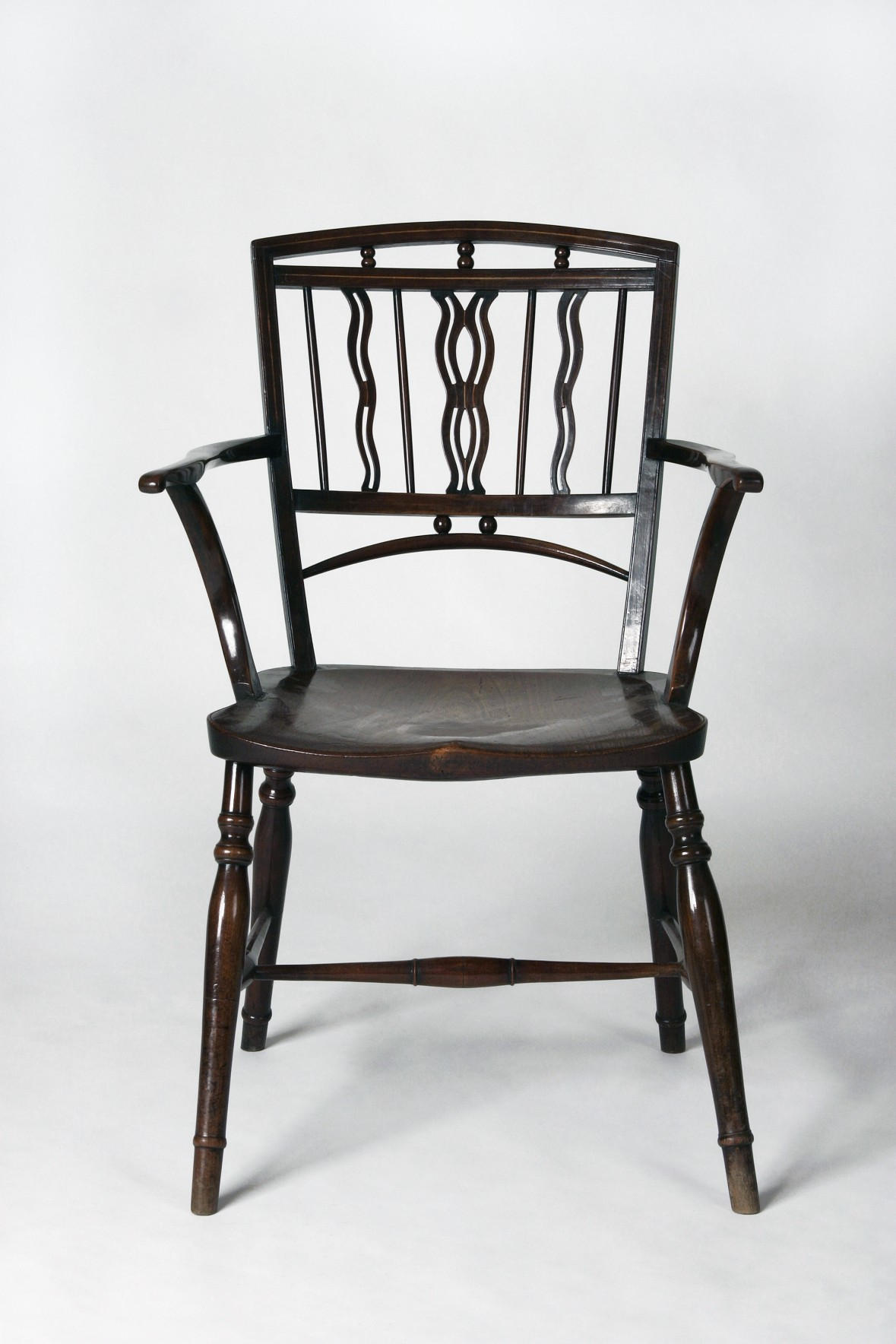
Mendlesham Armchair attributed to Richard Day Windsor armchair with three ripple splats on the back and a curved top rail, made from plum, yew and elm woods, possibly manufactured in Mendlesham, Suffolk by Richard Day, c. 1830.Museum no. 677/2005Photograph credit, Museum of the Home
In parallel with this chairmaker index, work is progressing to transcribe a further index of English regional cabinet makers, turners and joiners which the Cottons developed as their research progressed. These were the makers of the press cupboards, dressers, chests, tables and beds, salt boxes and candle boxes, and all the many incidental and utilitarian household objects required for everyday use. The index comprises some 25,000 names and will in due course be added to BIFMO, providing a rich seam for ancestry research and local history.
The Cotton Archive of British Regional Furniture containing all of the material studied and collected during a lifetime of research, is now being catalogued prior to its being donated to the Museum of the Home. The first and most significant part of the archive, which covers all of the English regions, with Scotland, Ireland and Wales as well as the Channel Islands and Isle of Man, was transferred in October 2021. Digital recordings and transcripts of 12 interviews with Dr Cotton made as part of the cataloguing project, describing the vernacular furniture traditions of the English regions, are part of this first donation. Further material, including an extensive photographic archive and a series of fieldwork research notebooks will follow next year, as well as research files on Australia, America, Newfoundland and other countries where the British settled and influenced furniture.
In a statement, Dr Bernard (Bill) Cotton writes,
‘My ambition has been to identify the origins of furniture made for the homes of working people, and to record, where possible, the names of makers and the social context in which it was used. The transfer of our regional chairmakers index to BIFMO opens the potential for others to continue the research to which my wife, Geraldine and I have devoted much of our lives. We are grateful to all those who have made this possible and are excited by the prospect of new discoveries being made as a result.’
Liz Hancock, Chairman of the Regional Furniture Society says,
‘The regional chairmaker database is an important addition to BIFMO and represents a major contribution to furniture studies. On behalf of the Regional Furniture Society (RFS) I would like to congratulate all those involved in making this invaluable resource accessible online. Bernard and Geraldine Cotton were founder members of the RFS, established in 1984 with the aim of researching and recording the regional traditions of furniture making throughout Britain and Ireland. This includes the social and cultural context of furniture and its relation to vernacular architecture and interiors. The chairmaker database offers new opportunities in this developing field of research.’
Chairman of the Furniture History Society, Christopher Rowell writes:
‘The Furniture History Society is honoured to have been entrusted by Dr and Mrs Cotton with the fruits of their research which will greatly enrich BIFMO in the field of vernacular furniture studies. The Society is also grateful to the Regional Furniture Society and an anonymous donor for the grants to enable the digitisation of the material.’
And Sonia Solicari, Director, Museum of the Home, said:
“It’s exciting that the index to this incredible archive is being made accessible, enabling many more people to enjoy the rich history of these chairs. Bernard and Geraldine Cotton unearthed so many otherwise forgotten stories in their decades of research and collecting. I hope that the BIFMO database will enable more stories of everyday making and home life to be revealed and shared in the decades to come.”
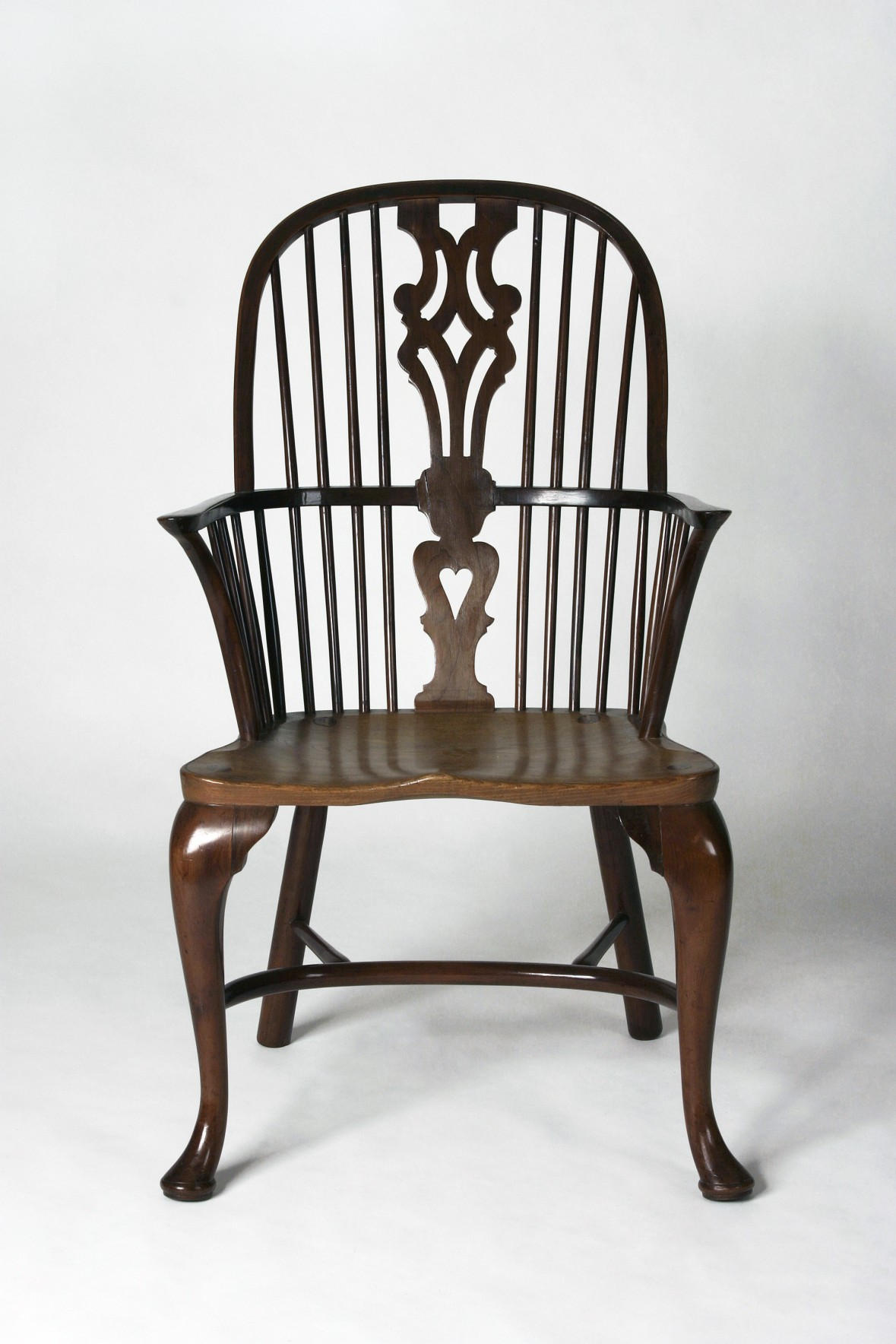
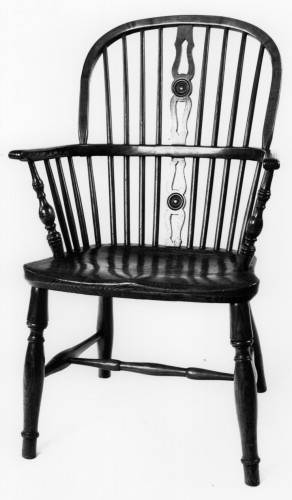
Windsor Armchair attributed to Jack Goodchild High-back double-bow Windsor armchair with cabriole shaped front legs and a Chippendale-inspired pierced central splat, made from yew with an elm seat, probably manufactured by Jack Goodchild in Naphill, Buckinghamshire, c.1885-1950 Museum no. 543/2005Photograph credit, Museum of the Home
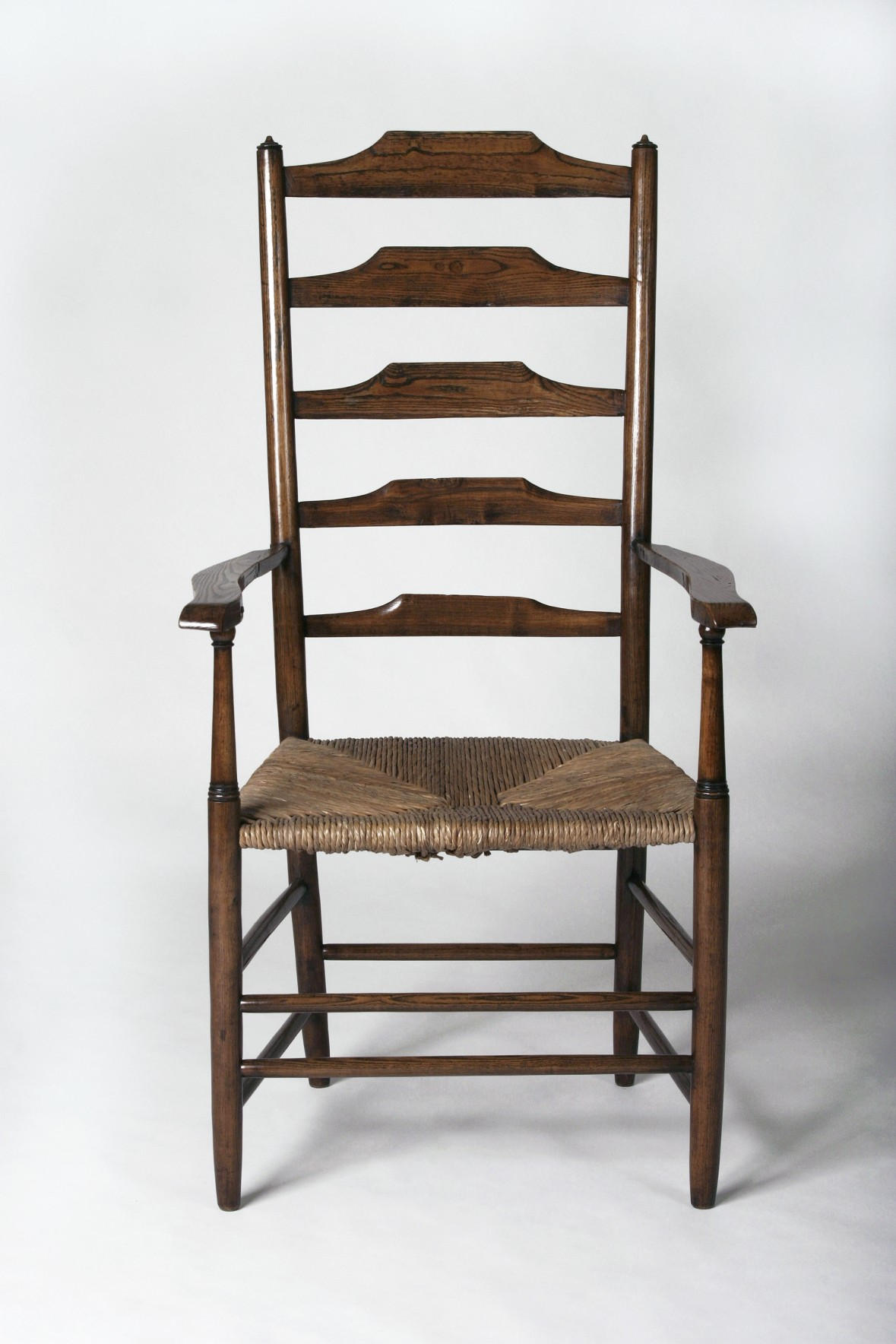
Ladderback Armchair attributed to Philip Clissett Ladder-back armchair with five graduated ladders in the back, made of ash with a rush seat. Attributed to Philip Clissett, a chairmaker active in Bosbury, Herefordshire between 1841 and 1881. Museum no. 517/2005 Photograph credit, Museum of the Home
We are very sorry to announce the death on 16 November 2021 of our former Chairman, Chris Pickvance, aged 77. Chris’s funeral will take place on 8 December 2021, at 2:40pm, at the Barham Crematorium, Canterbury Road (A260), Barham, Nr Canterbury, Kent CT4 6QU; 8.5 miles from Canterbury. It will be webcast, at the family’s request, so that people who cannot attend in person can follow it: the funeral will last 30-40 minutes. Members who wish to view the webcast are asked to email regionalfurnituresociety@gmail.com for the link.
Katy Pickvance would like to ask anyone who can, please, to donate in Chris’s name and memory to the Pilgrims Hospice, Canterbury because it is an incredible place for ‘end of life care’, and needs help to continue its work.
Obituary
Chris was really quite a private person and although many of us in the RFS spent many hours on study trips and in meetings with him, few I think were able to get very close to him. His sudden and tragic death from oesophagus cancer, which we learn from his family was only discovered in September this year, has left us feeling deprived of someone who contributed enormously to the Society, partly as Chairman over the last 10 years and perhaps more significantly as an expert in medieval chests.
This particular line of research grew from a more general interest in medieval and Renaissance furniture and woodwork both in Britain and on the Continent. He led two wonderful study trips to France in 2005 and 2011, the first to Brittany and the second to Paris and Burgundy. Both were made special by his knowledge of the places, furniture and scholars we would encounter. His personal study of medieval chests led him to many discoveries about these often neglected ancient relics, tucked away in the corners of churches. By careful observation of structural details, decorative carving and the ironwork of locks and straps, coupled with dendrochronology and diligent comparison with the work of scholars abroad, he has tentatively reached a new level of understanding about their origins and their place in medieval society. As an academic, he was comfortable with the processes of publishing in peer-reviewed journals and lecturing to knowledgeable audiences. His central research on chests is published in two articles, the first, ‘”Kentish Gothic” or imported? Understanding a group of early fifteenth century tracery-carved medieval chests in Kent and Norfolk’, Archaeologia Cantiana, vol. 138 (2017); and the second, ‘The Canterbury group of arcaded gothic early medieval chests: a dendrochronological and comparative study’, The Antiquaries Journal, vol. 98 (2018). He also published numerous articles and reports in the RFS Newsletter, which give insights into his broad understanding of the diversity of regional furniture. He was a keen advocate of the Society’s Research in Progress Days, and in 2018 organised a memorable day of lectures on 16th century furniture. In March this year he organised ‘New Thinking about Medieval Furniture’, an online conference presenting current research from a variety of perspectives. The event was free and attracted many non-members across Europe and America. Shortly before his death Chris made a very generous donation of £10,000 to the Society to fund bursaries for research into medieval chests, thus ensuring that his studies will be continued by others, and extended across a wider geographical range than he was able to cover. Increasing people’s awareness of the significance of such objects is surely the best way to see that they are properly taken care of and treasured in the way that they deserve.
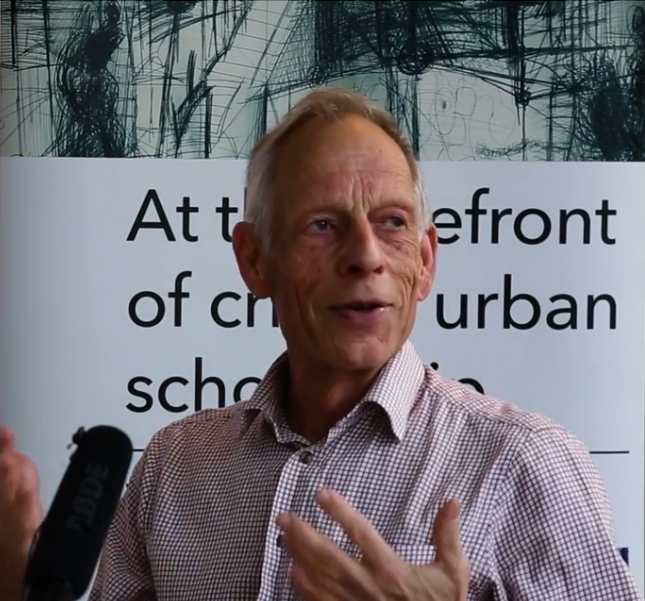
Chris Pickvance at the RFS Lincoln Conference, June 2021
Chris was quietly unassuming, never one to step easily into the limelight, but he led the Society well during his chairmanship, reinforcing its purposes in research and publishing, and overseeing a tightening of policies and governance which will stand us in good stead for many years to come. He has left an indelible legacy, and we will always be grateful for that, and we will remember him fondly both as a friend and fellow traveller in the study of regional furniture.
David Dewing President, Regional Furniture Society
RFS members are kindly invited by the FHS to ‘In the Richest and Most Costly Style’: Furnishing Goldsmiths’ Hall, 1834-5 by Michael Shrive (Assistant Curator at Waddesdon Manor), Sunday, 28 November 2021, 19.00 (BST), 14.00 (ED).
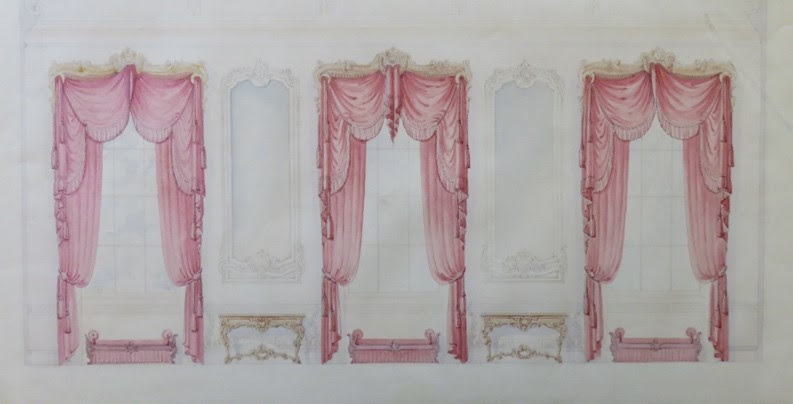
Philip Hardwick (1792-1870), Design for the Court Drawing Room, West Elevation, c. 1830; pen-and-ink, pencil and watercolour on paper (Worshipful Company of Goldsmiths)
Home to the Worshipful Company of Goldsmiths, the Goldsmiths’ Hall in the heart of the City of London was designed by Philip Hardwick (1792-1870) and opened to great acclaim in 1835. The third building of its kind on the site, Hardwick also designed many of the furnishings and employed Thomas and George Seddon and William and Charles Wilkinson to execute the work. Despite some wartime losses, much of the furniture survives in situ and remains in use to the present day. It is also one of the best documented commissions of its time, supplemented by a comprehensive archive including estimate sketchbooks, scale drawings and a complete series of accounts. This lecture will highlight previously unpublished material relating to the commission.
Michael Shrive is Assistant Curator at Waddesdon Manor in Buckinghamshire (National Trust / Rothschild Collections) and currently sits on the Furniture History Society’s Events Committee. He recently contributed to the publications Jean-Henri Riesener: Cabinetmaker to Louis XVI and Marie Antoinette (2020) and Furniture History (2019). In 2016 he graduated with an MA in Decorative Arts and Historic Interiors from the University of Buckingham and his dissertation topic was the furnishing of Goldsmiths’ Hall. Formerly he was Curatorial Intern of Decorative Arts at Royal Collection Trust and also worked on the National Trust’s Furniture Research and Cataloguing Project.
This lecture is free to members. Non-members wishing to attend can pay for £5 for tickets here.
Attendees will be admitted from a waiting room from 18.45. Please make sure you are muted and your camera turned off. Please note that for security reasons we will lock the meeting at 19.20, so make sure you have joined us by then.
We hope to see many of you on Sunday, 28 November.
The Geffrye Museum has undergone a number of re-inventions over the 90 years since its foundation as a museum devoted to the furniture industry in what was then the most heavily populated and deprived district of London.
It has just emerged from a major expansion with a new name: The Museum of the Home, which reflects its evolution from a museum devoted to furniture, to a broader remit revealing the way we live, and to reflect what home means to people of different backgrounds, circumstances, and cultures.
On arrival visitors first explore the new subterranean rooms with arresting displays before ascending to the familiar run of period rooms on the ground floor which will be decorated for the Winter Festival as celebrated by different cultures in London – Diwali, Hanukkah and Christmas Past.
An early curator of the Geffrye was Marjorie Quennell who believed that children would be inspired by learning our social history rather than the dates of monarchs and battles. Between 1918 and 1934 she published a series of books Everyday Things in England 1066-1900 illustrated by her architect husband. The series remained in print until 2000. There is a small display in the museum about the Quennells whose illustrations perhaps influenced some of the delightful new murals on the ground floor of the museum. The museum is more than ever a great experience for children and adults alike.
We are invited to arrive from 11:00 with an un-guided tour of the public galleries. We may lunch across the courtyard at Molly’s Café housed in a former Victorian pub and regroup at 14:00 when The MoTH’s curator Louis Platman will present a ‘Round Britain” selection from the 40 chairs of the Cotton collection, many familiar from Bill Cotton’s books but out of sight for many years.
The visit is limited to just 10 RFS members since we will be entering non-public areas. There is no charge. Applications by email to Jeremy Bate either to his private email or to events.rfs@gmail.com. Places will be allocated in order of receipt.





You must be logged in to post a comment.