Unknown's avatar

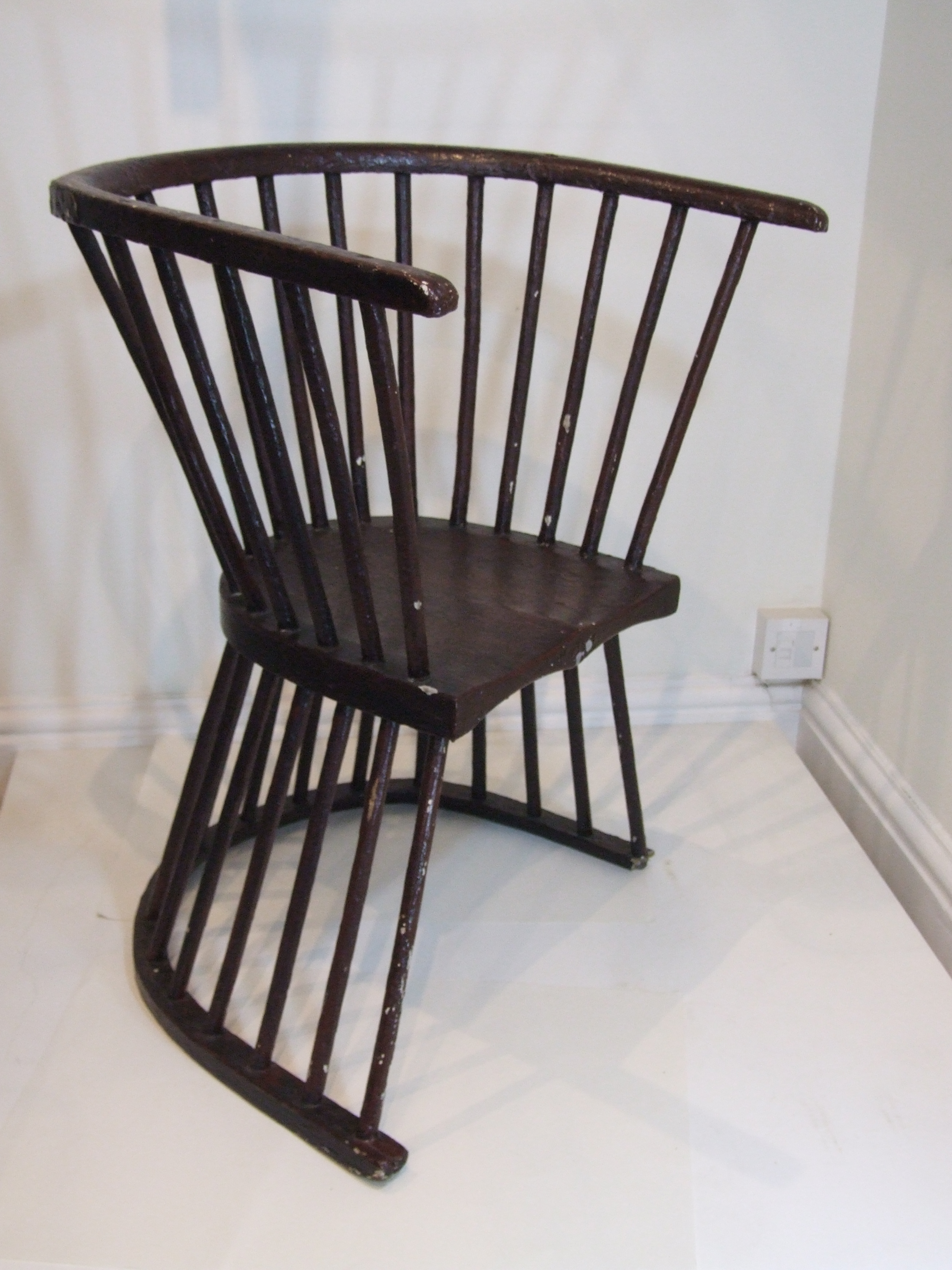
Chair of the Month for August is this Upside-down Garden Chair

We hope that August brings us good weather and the free time to take a seat and relax in the open air. However, damp or dirty outdoor seats can be a problem, especially in the UK. This chair was designed to solve that problem – just turn it upside-down and you would always have a dry seat to sit on! The mystery about this chair though is the date. Is it 18th century, like so many other Windsor garden chairs? It has so many layers of old paint, this seems likely. Or was it made more recently? Chairs like this were patented in 1906. A conservator viewed the chair in 2009 and thought it could be of either date. What do you think?

Chair of the Month is a partnership between Wycombe Museum and the Regional Furniture Society.
Unknown's avatar

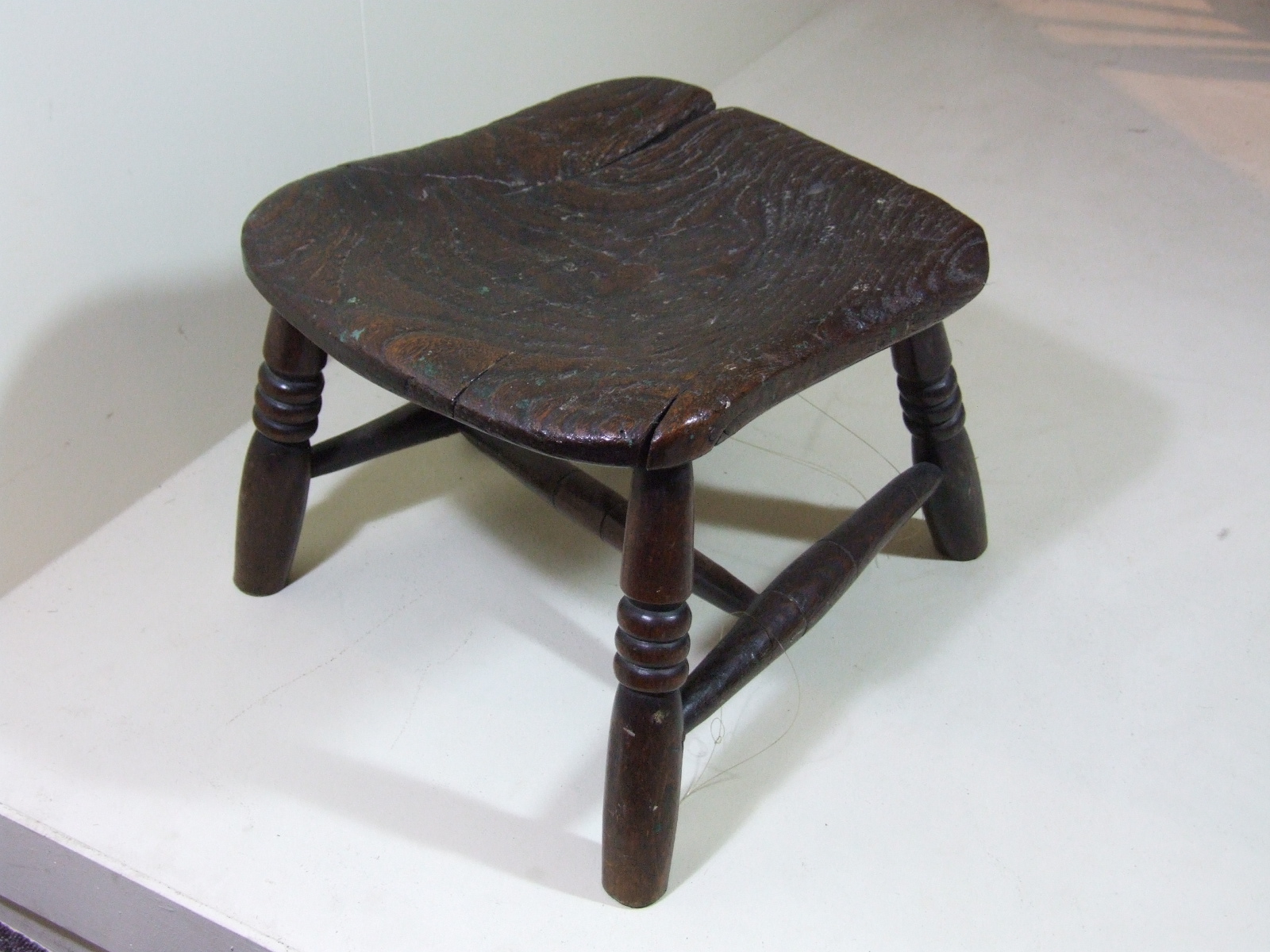
Chair of the Month for July is a Chair-caner’s Stool

This low stool was used by several generations of chair seat caners, between about 1870 and 1950. During this time, caning seats was a job mainly done by women. Workers needed a low stool to work comfortably. This stool like a Windsor chair without the back. The last woman to use the stool was Mrs Rolph, who lived in Bowerdean Road, High Wycombe.

To see an example of a chair with a caned seat, see our Chair of the Month for March 2023

To find out more about women’s work in chair seat making and other Chilterns crafts, visit the museum’s exhibition Hidden Hands, on until 10 September 2023 Hidden Hands: Women and Work in the Chilterns | Wycombe Museum Official Site. You may also be interested in the talk ‘Chairmaking, A Cottage Industry’ Talk: Chairmaking as a Cottage Industry | Wycombe Museum Official Site

Chair of the Month is a partnership between Wycombe Museum and the Regional Furniture Society.
Unknown's avatar

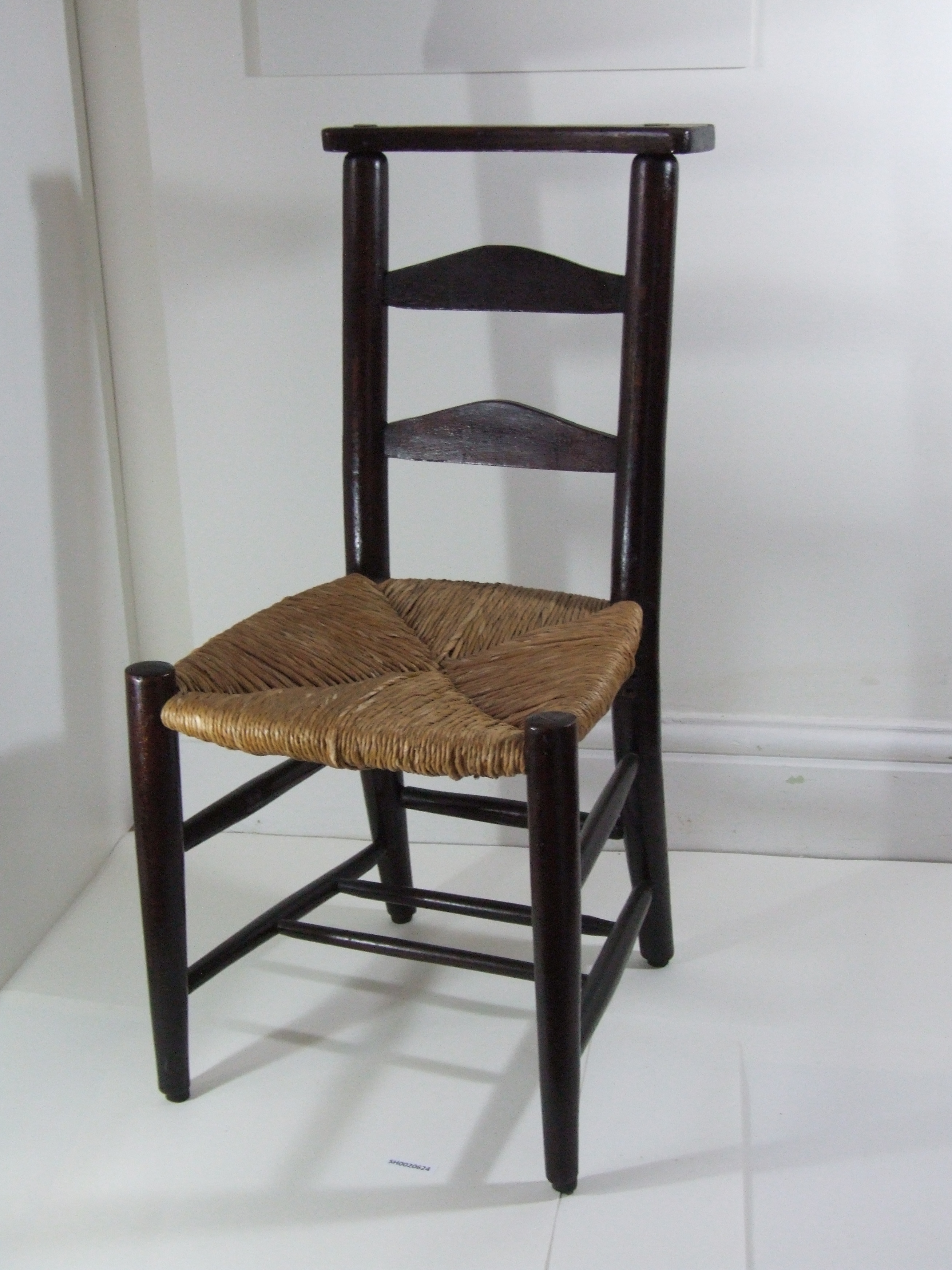
Chair of the Month for June is this Rush-seated Chair made for St Paul’s Cathedral, London

Chair of the Month for June is this Rush-seated Chair made for St Paul’s Cathedral, London

It was made in High Wycombe, probably at Walter Skull’s factory in the 1870s. 

The workers who made the rush seats were known as ‘matters’. Before the 1880s, when local women could still find work as lace makers, most chair seat matters were men. As the hand-made lace industry declined, women began to make rush seats, and from around 1880 onwards, most matters were women.

This chair can be seen in the Hidden Hands exhibition at Wycombe Museum until 10 September. There is a lot more information about chair matting and other Chilterns crafts done by women in the exhibition.

Chair of the Month is a partnership between Wycombe Museum and the Regional Furniture Society.
Unknown's avatar

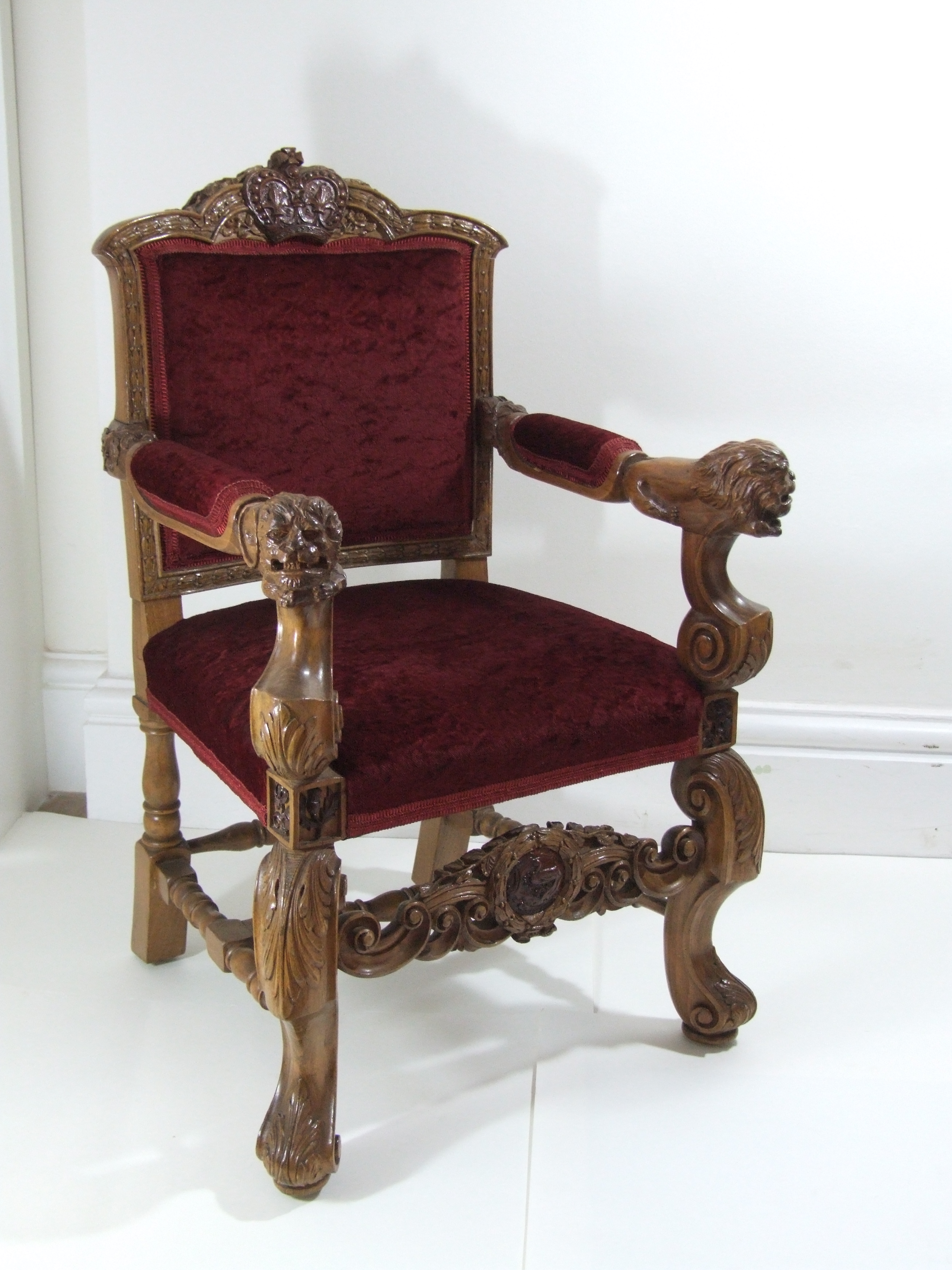
Chair of the Month for May is this child’s Coronation Chair

Chair of the Month for May is this child’s Coronation Chair

Chair of the month for May is this child’s Coronation chair.

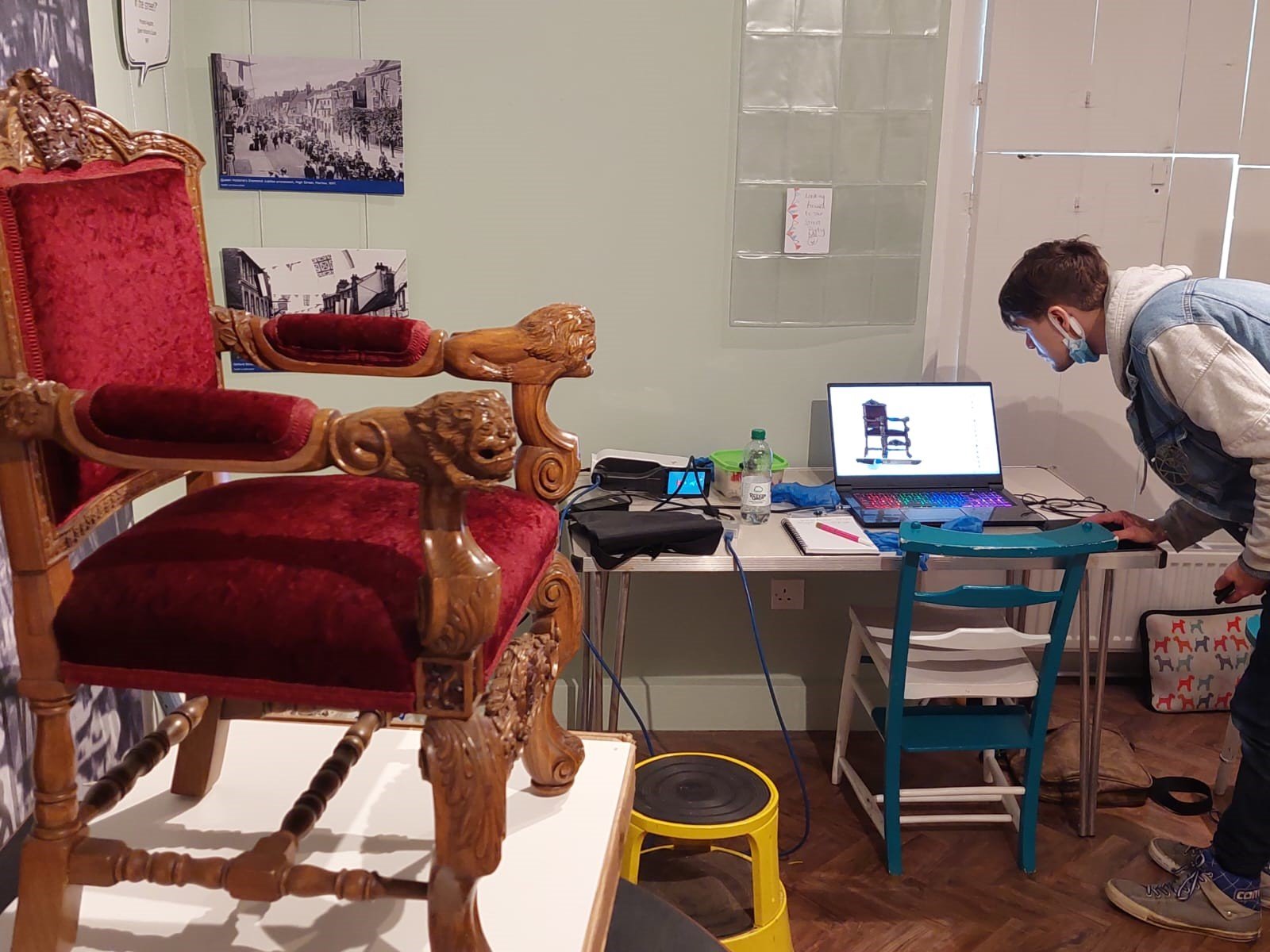
It was made by George Arthur Lane of High Wycombe in 1953 to mark the Coronation of Elizabeth II. George worked for Parker Knoll in High Wycombe and made this chair in his own time. It can be seen in the chair galleries at Wycombe Museum.

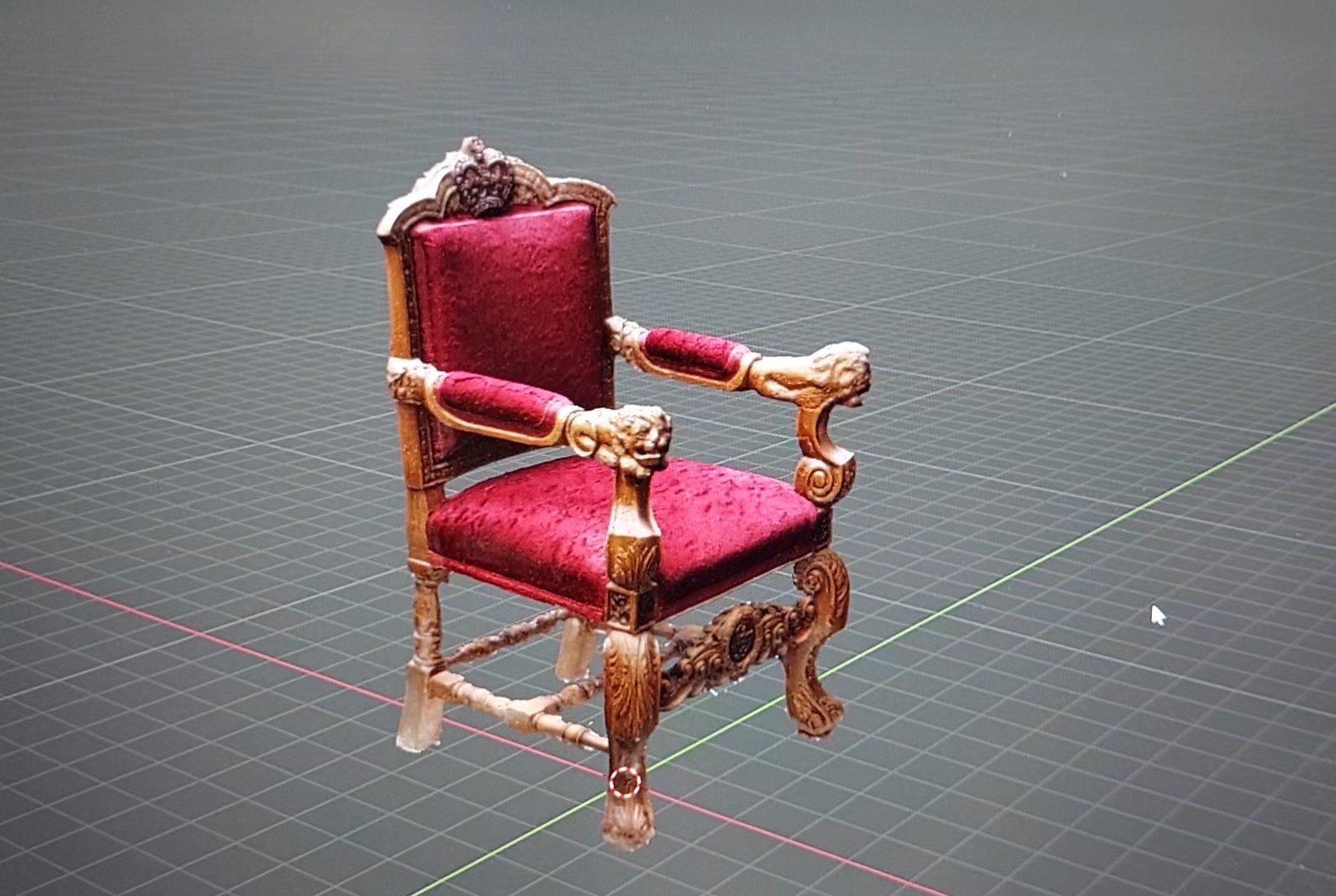
The Coronation Chair was 3D scanned for Wycombe Museum by the volunteer and staff team at The National Paralympic Heritage Trust. The images below show the production process.

Click this link to see the 3-D scan.

Chair of the Month is a partnership between Wycombe Museum and the Regional Furniture Society

Unknown's avatar

Chair of the Month for April is the ‘Disraeli Chair’

Chair of the month for April is the ‘Disraeli Chair’

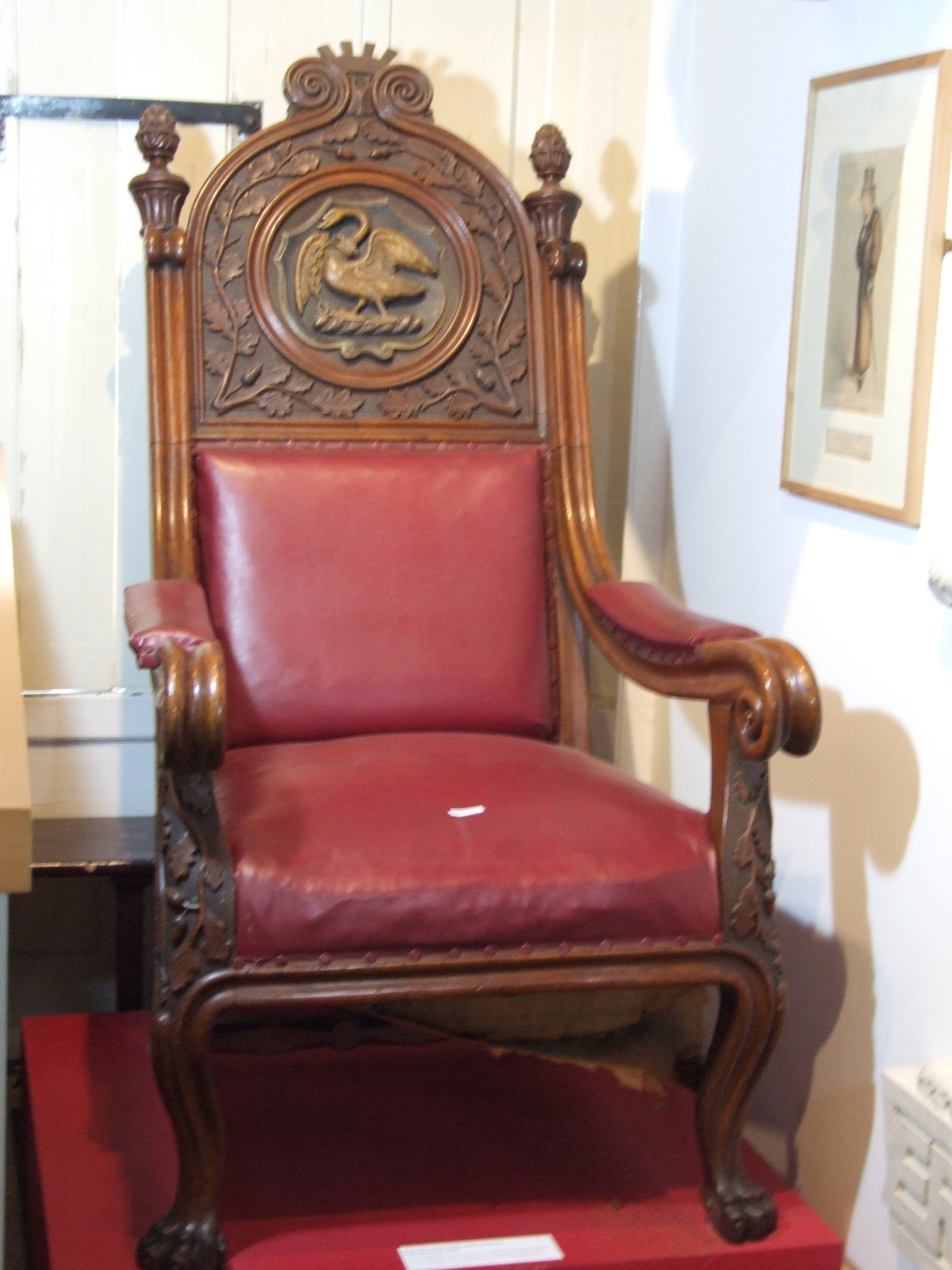
This oversized chair was made by Edwin Skull of High Wycombe in 1876. It was used by prime minister Benjamin Disraeli at the Junior Carlton Club, London, and was still in use at the club until 1978. 19 April marks the anniversary of Disraeli’s death, known as ‘Primrose Day’. Disraeli lived at Hughenden Manor, just outside High Wycombe, now owned by The National Trust. Disraeli is the first and only British Prime Minister of Jewish descent.

This chair can be seen in at Wycombe Museum, together with other items relating to Disraeli including portraits, and the carved Red Lion next to which Disraeli gave his first political speech.  

Chair of the Month is a partnership between Wycombe Museum and the Regional Furniture Society.
Unknown's avatar

Chair of the Month for February is a Miniature Joined Rocking Chair

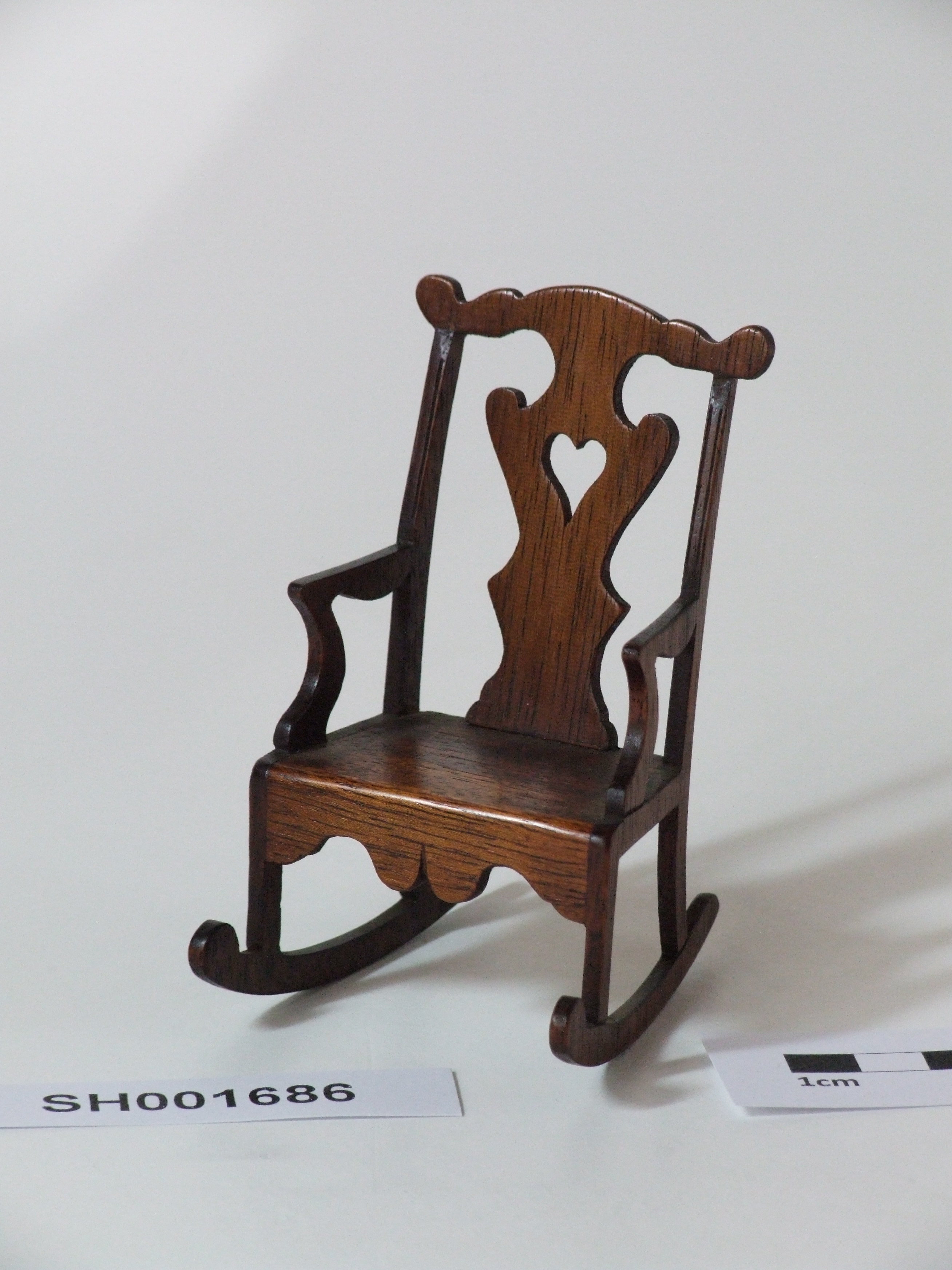
February’s chair of the month is a miniature joined rocking chair with a heart motif in the splat. The chair is about 10cm high (4”) and was made by local chair maker Stuart King. King gave this chair to Wycombe Museum as part of a group of four miniature chairs in 1977. 

Chairs, miniature and full sized, with and without hearts in the splat were sometimes made as love tokens for Valentine’s Day, and at other times of the year. 

Chair of the Month is a partnership between Wycombe Museum wycombemuseum.org.uk and the Regional Furniture Society regionalfurnituresociety.org

Unknown's avatar

Newsletter Index Update

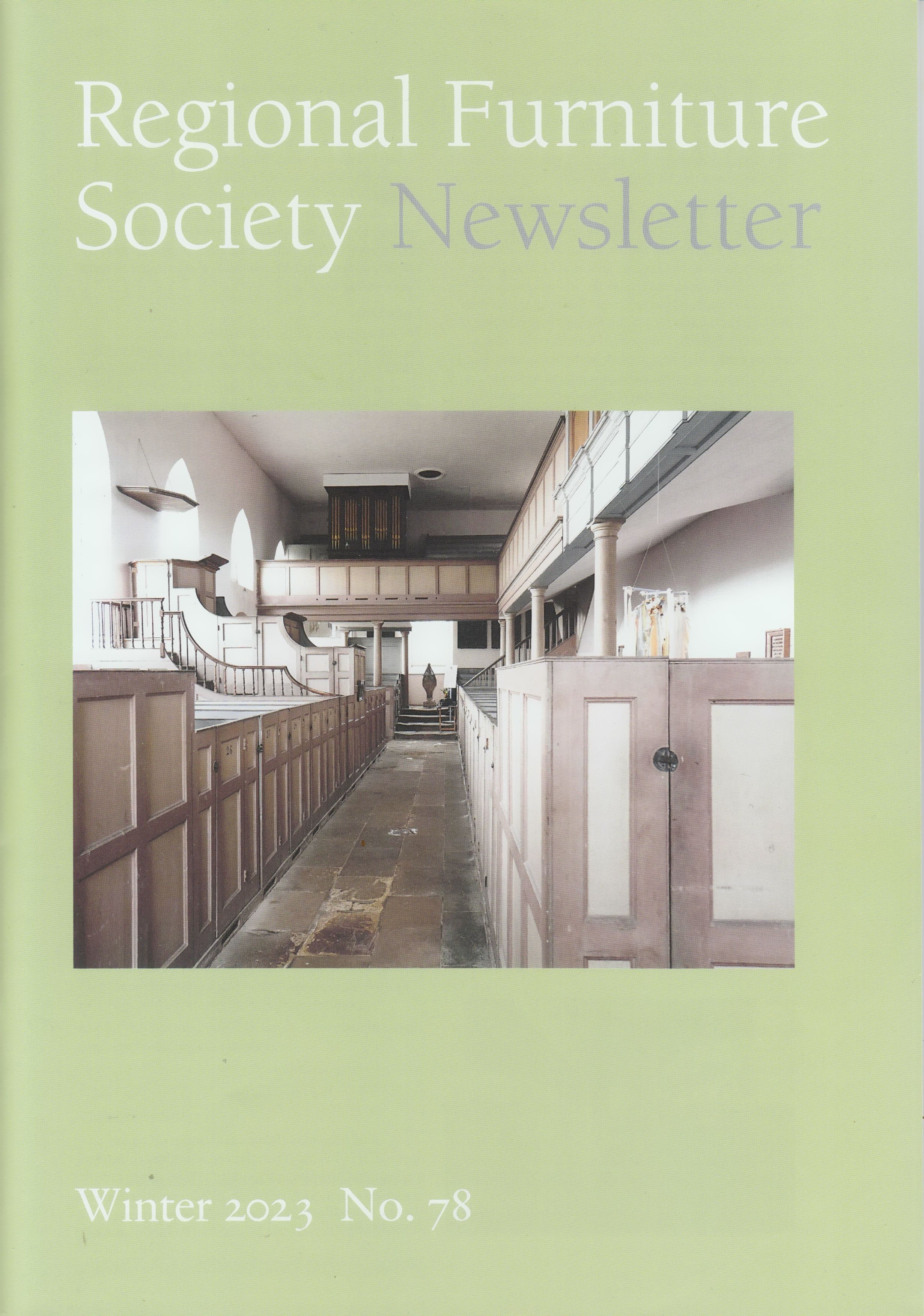
Following the publication of the most recent RFS Newsletter, number 78, I have updated the indexes to the Newsletter Research Articles, the Book Reviews and the Obituaries to include NL 78. I have also published 25 newsletter pieces, and 2 short notices from RFS Newsletter 72, (Spring 2020) on the relevant pages of the website. A spreadsheet containing the latest index to all parts may be downloaded here.

Julian Parker, Website Editor

21 January 2023

Unknown's avatar

Chair of the Month for January is a wheelchair with a beech frame and caned seat and back, made in High Wycombe c. 1870

January’s Chair of the Month is a wheelchair with a beech frame and caned seat and back, made in High Wycombe in about the 1870s. It is not known which of the many local factories made this chair, but Glenisters certainly made caned wheelchairs and other local makers probably made similar chairs too.  J Mole of High Wycombe specialised in what they called ‘invalid chairs’, from 1918 until their closure in 1935. 

J Mole’s decision to specialise in furniture for disabled people might have been a response to an increased demand due to injuries in World War 1. In the years following World War 2, the Paralympics were established in Stoke Mandeville, Buckinghamshire. The games were initially for injured service men and women. 

Wycombe Museum is exploring the local Paralympic story in Buckinghamshire in collaboration with local young people with disabilities, supported by a Together We Build grant from Bucks Culture. Together We Build is a partnership project centred on the story of the Paralympics.  

Chair of the Month is a partnership between Wycombe Museum wycombemuseum.org.uk and the Regional Furniture Society regionalfurnituresociety.org

Unknown's avatar

Chair of the Month for December is a modern Windsor by Ercol of High Wycombe

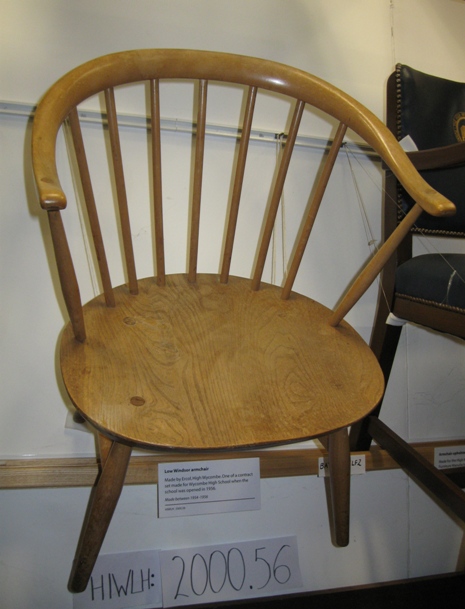
December’s Chair of the Month is a modern Windsor by Ercol of High Wycombe. It was made as part of a contract for Wycombe High School when the school moved to the Marlow Hill site in 1956 . The design is part of Ercol’s Windsor Range, launched in 1950. Company founder Luciano Ercolani designed the range, collaborating with draughtmen, craftsmen and engineers, ensuring that each design was practical to produce in the factory. Like the traditional Windsor chairs that inspired the design, this Ercol Windsor is made from elm, beech and ash. 

Ercol were established in High Wycombe by Ercolani in 1920, initially as Furniture Industries Ltd, becoming Ercol in 1928. Ercol moved to the new Princes Risborough site in 2002.

This chair can be seen in the factory area of the chair galleries at Wycombe Museum. 

Chair of the Month is a partnership between Wycombe Museum wycombemuseum.org.uk and the Regional Furniture Society regionalfurnituresociety.org.

For your chance to win a set of Ercol nesting tables and other wonderful prizes donated by local businesses see Christmas Raffle Ticket | Wycombe Museum Official Site